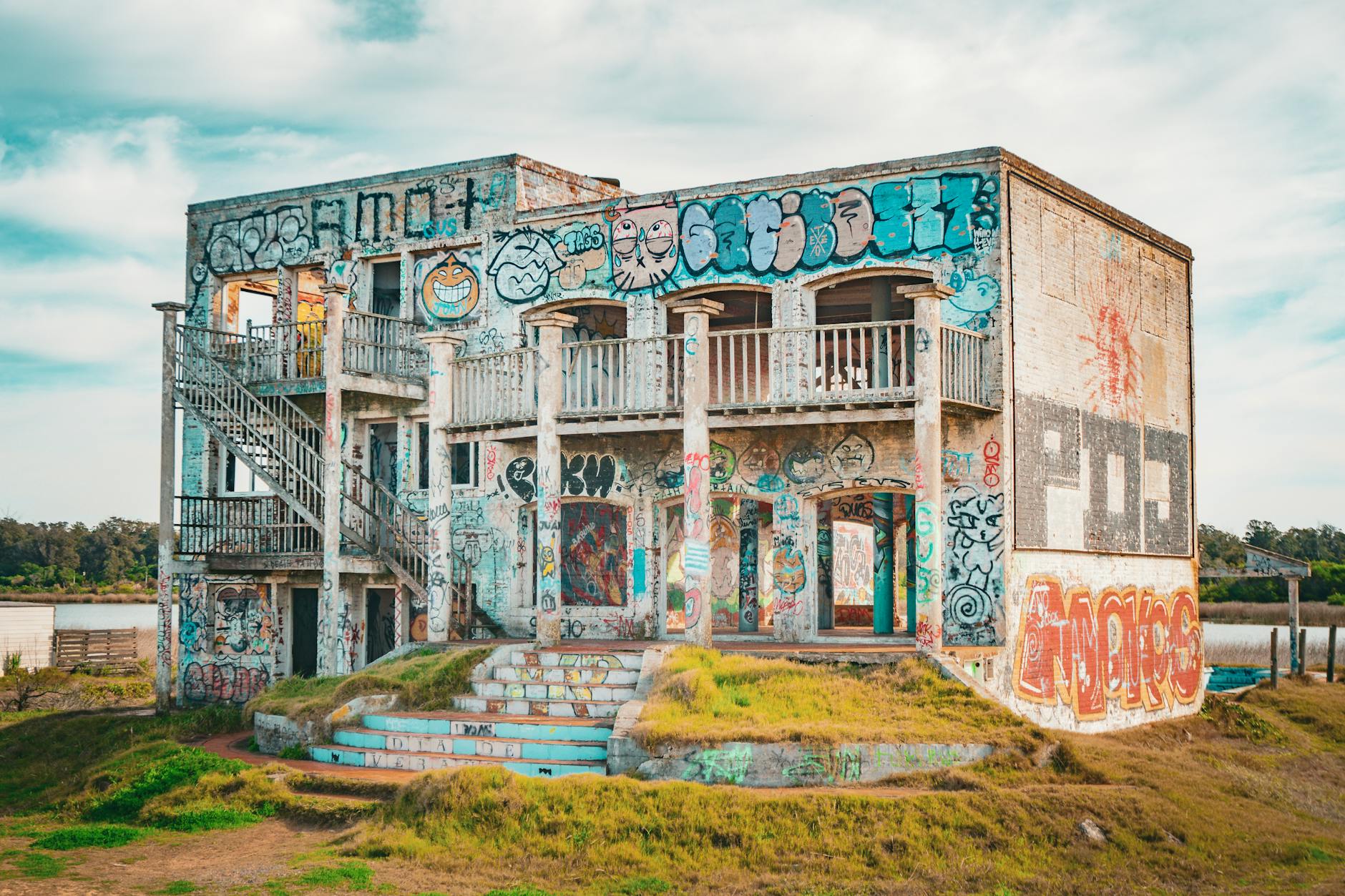
Have you ever walked past a wall covered in colorful patterns and stopped to look at it? Some designs are beautiful, while others seem strange or hard to understand. You might wonder who painted them, what they mean, why someone chose that particular place, or what they are even called.
Graffiti is everywhere these days. We see it on buildings, bridges, streets, and train stations. Some people admire it as art, while others see it as the destruction of the property.
Now, the question might arise: Is graffiti art or vandalism? But before answering that question, let us all know what graffiti is and where it started.
What Is Graffiti?
Graffiti refers to writing, drawings, or symbols made on walls and other surfaces, often in public spaces. It can be as simple as a name scratched into a wall or as complex as a large painting filled with colors and shapes. People use graffiti for different reasons. Some want to express their feelings or share a message. Others want to make their names known or leave a mark on the city.
But writing and drawing on walls is nothing new, and the history of graffiti goes back to the beginning of mankind. People have been leaving marks on surfaces for thousands of years. You might be surprised that the graffiti at the time had much more to say than we might expect.
The Early History of Graffiti
Long before modern cities existed, humans were already painting and carving images on cave walls. These ancient artworks show animals such as lions, horses, and rhinoceroses. One famous example is Chauvet Cave, located in southern France.
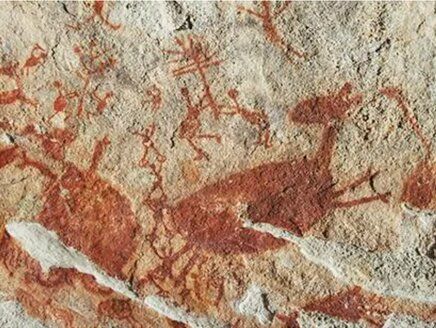
The cave contains drawings that date back around 36,000 years. Although cave paintings are not the same as modern graffiti, they show how long people have used walls to create images and express ideas.
The ancient Greeks and Romans left messages on walls. They wrote names, jokes, poems, political opinions, and even personal insults. Some of the best examples come from Pompeii, an ancient Roman city in Italy.
When Mount Vesuvius erupted in AD 79, it buried Pompeii under volcanic ash. Even after that dangerous event, many buildings, objects, and wall inscriptions survived. After much research, archaeologists have since discovered thousands of inscriptions across the city.
Some contain love messages, while others show political support, jokes, or simple drawings. These findings help researchers understand everyday life in ancient Rome, and what ordinary people thought, felt, or talked about.
The Birth of Modern Graffiti
Modern graffiti writing began to take shape in Philadelphia during the 1960s. One of its best-known pioneers was Darryl McCray, better known as Cornbread. The story of this lover is very interesting, and it began with a simple nickname.
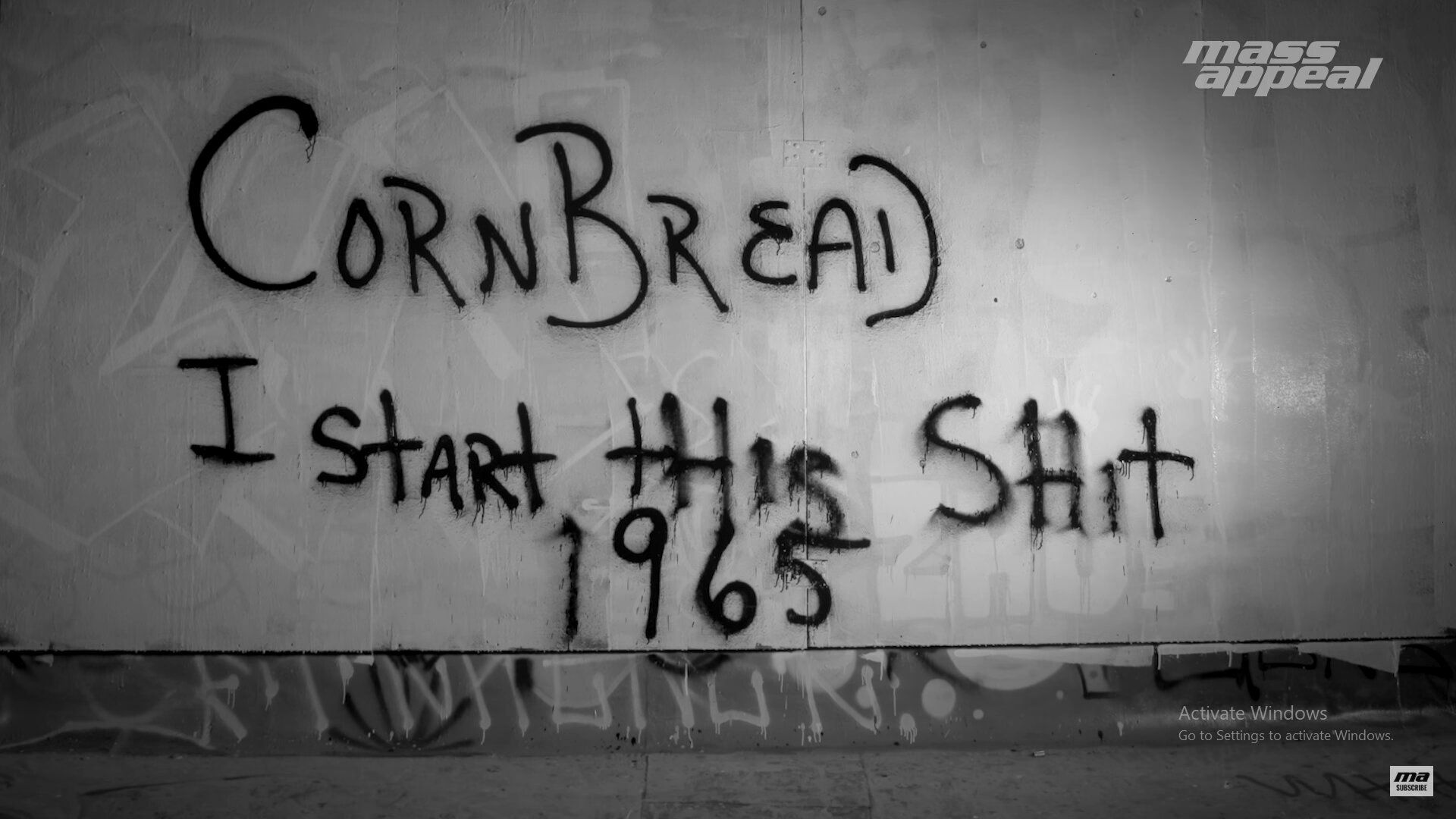
He became known as Cornbread while staying at a juvenile detention center. Later, he developed a crush on a girl named Cynthia, and to get her attention, he began writing "Cornbread Loves Cynthia" around his neighborhood. His love became so pure that he started writing his nickname across Philadelphia.
Eventually, what began as a way to get noticed became a growing part of his identity. Cornbread became one of the first major figures in modern graffiti culture, and his approach inspired other young people to create their own tags/name.
Today, graffiti includes many styles, from simple signatures known as tags to large and detailed artworks. By the late 1960s, graffiti writing was also growing in New York City, but the colorful graffiti culture we recognize today began to develop much more recently.
How Graffiti Spread Across New York
As I mentioned, people began putting their tags/name all over the city. In New York, young writers also began leaving their names on buildings, subway stations, and trains. One of the most famous was TAKI 183. His tag appeared across the city and attracted attention from the media in 1971, and soon more young people joined the movement.
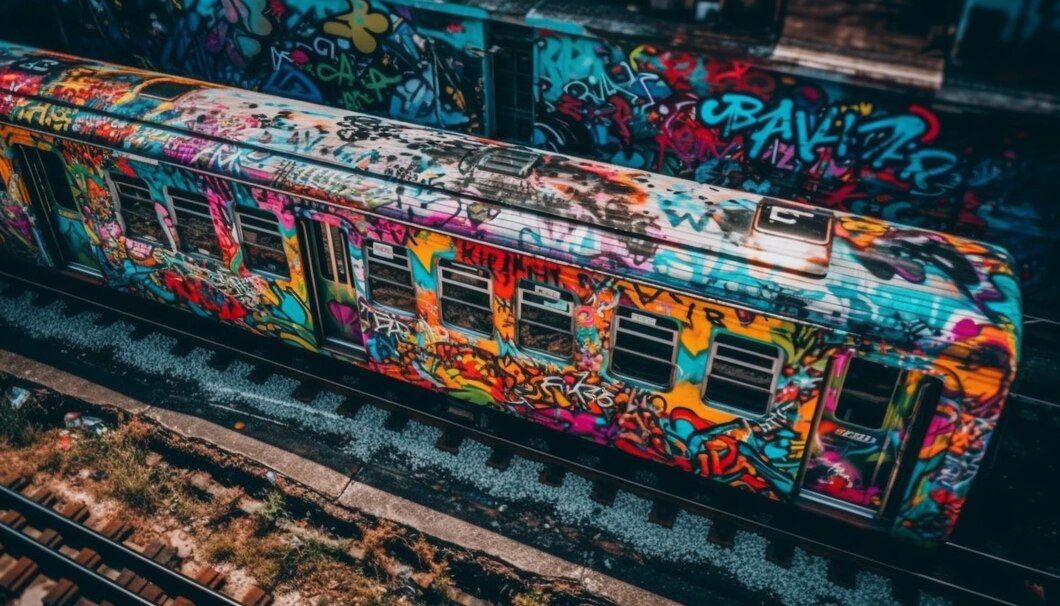
At first, most graffiti consisted of names written with markers or spray paint. But as more writers appeared, simply writing a name was no longer enough. Everyone wanted their names to stand out from the others, and writers began experimenting with larger letters, bold outlines, unusual shapes, and bright colors. Some developed bubble letters, while others created complex designs that were difficult to read.
During the 1970s, graffiti grew from simple names into elaborate artworks. Subway trains became especially popular because they traveled across the city. A name painted on one train could be seen by thousands of people. For many young writers, their unique artworks became a chance to be known beyond their own neighborhoods.
Over the years, this new form of artwork only spread. Initially, it was seen positively, but by the late 1970s and early 1980s, as graffiti grew so popular, it became a major concern for New York City officials. Subway cars were often covered with paint. Some passengers disliked the drawings, while transit officials faced the cost of cleaning and repairing trains.
The city increased efforts to remove graffiti and prevent new work, and tightened security around train yards. Officials also introduced cleaning programs to remove painted designs from subway cars.
During the 1980s, New York's transit system launched an aggressive campaign against graffiti, and by May 1989, the city had removed the last graffiti-covered train from regular service as part of its Clean Car Program. These changes made subway graffiti much harder to produce.
However, they could only erase the graffiti artworks on the cars, not the artistic minds of the people. Writers then continued to work on walls, rooftops, and other surfaces. The culture also spread to cities around the world.
From Subway Trains to Art Galleries
As graffiti became more popular, artists began creating larger and more detailed pieces. After the artworks appeared on building walls, rooftops, and other public spaces, the world began to pay attention to these colorful sections of society.
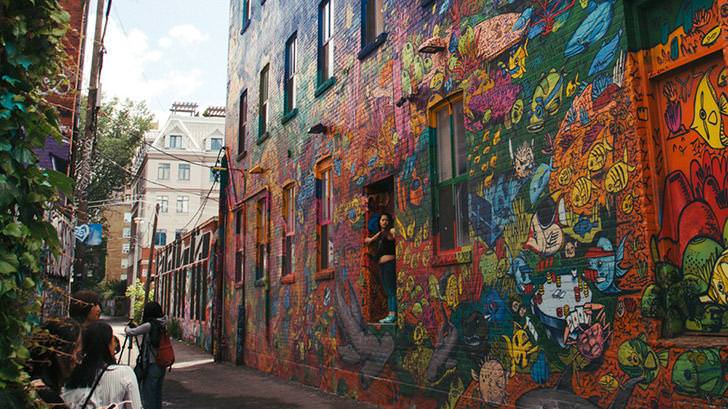
In 1972, the United Graffiti Artists collective took part in an exhibition at City College in New York. In 1974, writer Norman Mailer brought further attention to the movement through his essay The Faith of Graffiti.
Graffiti was no longer only something people saw on the streets. It was also becoming a subject of discussion in galleries, magazines, and art circles. Still, not everyone welcomed its growing popularity.
Graffiti Today
Graffiti has changed a great deal since the days of Cornbread and New York's subway writers. What began with names and simple messages has grown into a worldwide culture with many styles and techniques.
Some graffiti artists now display their work in galleries, while others continue to paint on the streets. Yet the basic idea remains the same: “Expressing yourself and creating your identity in an artistic way”. People have always wanted to leave something behind, whether it was a drawing on a cave wall, a message in ancient Pompeii, or a name painted on a city building.
The tools, styles, and reasons may have changed, but the human desire to make a mark has remained. And perhaps that is why graffiti continues to catch our attention, even when we do not fully understand what it means.
Is Graffiti Art or Vandalism?
Coming back to the question that I asked you in the beginning: Is it art or is it vandalism? This question has followed graffiti for decades.
For some people, graffiti is a form of art. It takes creativity, patience, and skill to turn a plain wall into a detailed painting. It can also give artists a way to share their ideas and express themselves in public.
For others, graffiti becomes vandalism when someone paints on property without permission. A colorful design may look impressive, but the property owner might not want it there. Removing unwanted graffiti can also be expensive.
Today, many cities have legal graffiti walls and public art projects. These spaces give artists a chance to create their work without damaging someone else's property. At the same time, unauthorized graffiti remains a concern in many places.
To this day, the debate over whether graffiti is art or vandalism continues. What do you think it is?